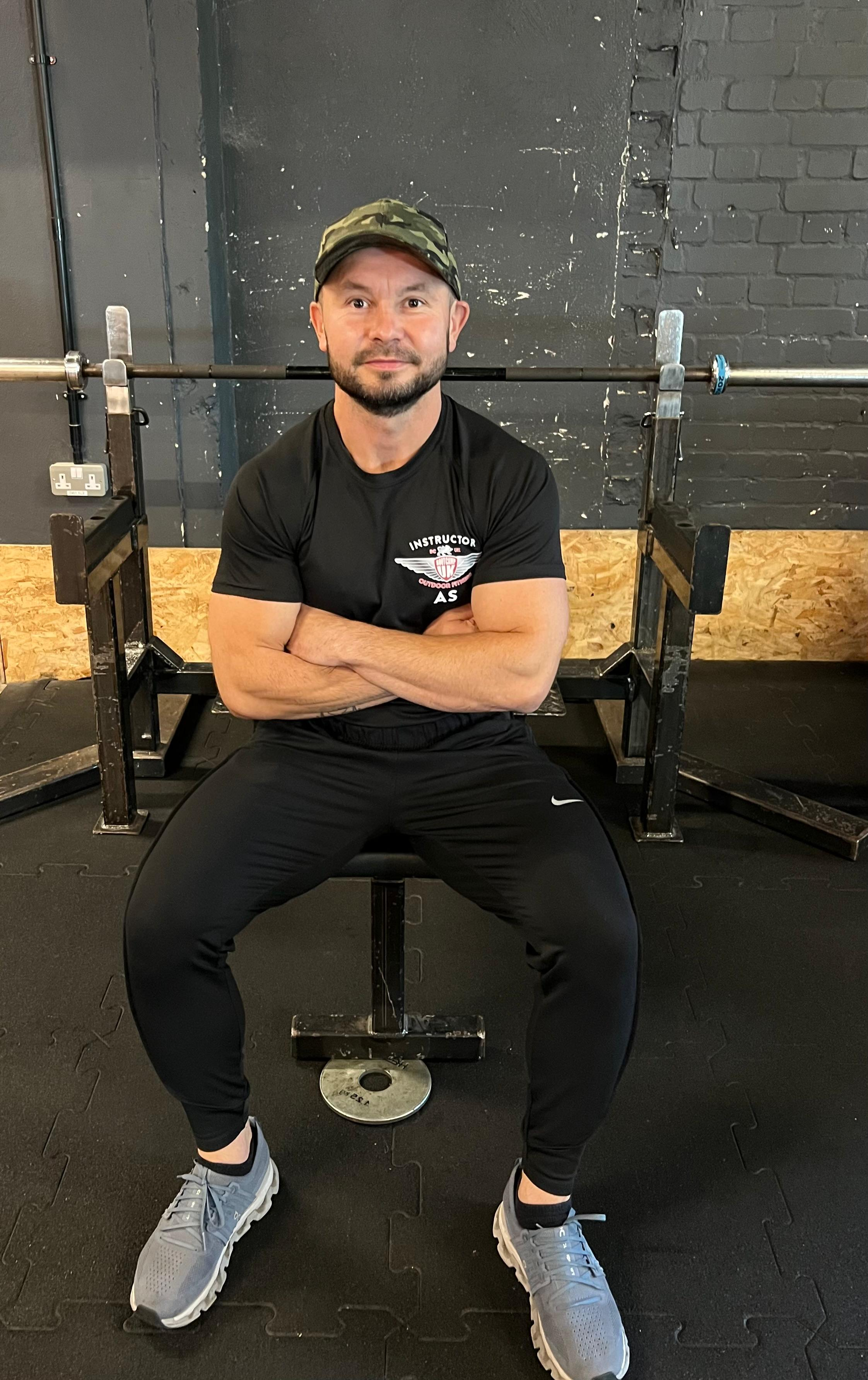
You are making time for the gym. You are completing your workouts and trying to eat better. But your clothes feel much the same, the scales are barely moving and you are wondering whether you need to train harder.
Before adding another session or cutting more food, take a closer look at what is happening across your week.
Gym attendance tells you that you are putting in effort. Understanding your progress means looking at your training, food, everyday activity and how you measure changes together.
Are you measuring a trend or reacting to one weigh-in?
A single reading on the scales cannot tell you how much body fat you have lost.
Water retention, food still being digested and hormonal changes can affect body weight from day to day. Cleveland Clinic explains these common reasons for weight fluctuations.
If weighing yourself is useful for you, use consistent conditions: the same scales, at a similar time of day, with similar clothing. Look at the pattern over several weeks rather than judging your plan by a single morning.
You can also record waist measurements under consistent conditions and how your clothes fit. These provide context, although neither gives an exact measure of body fat. Progress photos are optional.
If those indicators are changing while scale weight is stable, investigate before assuming nothing is working. Equally, getting stronger is valuable progress, but it does not prove that you are losing fat.
Look at your food routine across the whole week
Fat loss generally requires a sustained energy deficit: taking in less energy than your body uses. The NHS guide to calories explains how energy intake and expenditure affect weight.
Training contributes to that picture, but attending the gym does not automatically create a deficit.
Start by looking at an ordinary week, including your busiest days and weekends. Consider portions, drinks, snacks and meals out alongside your main meals. Nutritious food still provides energy, and a few well-planned weekdays do not describe your entire routine.
This is about finding useful information. You do not need to label foods as good or bad, or stop eating socially. You need an approach that supports your goal and is practical enough to repeat.
Record enough to understand what needs attention
“I eat quite well” can mean many different things. A brief record makes the conversation more specific.
Try noting:
- Meals, drinks and approximate portions, including weekends.
- Training sessions actually completed.
- Everyday activity, such as walking or time spent sitting.
- Sleep, hunger, energy and situations that made the plan difficult.
A written diary or meal photos may be enough to identify a practical problem. Calorie tracking is another option if it suits you; it does not need to become a permanent task.
The CDC recommends reviewing nutrition, activity and sleep when planning changes. Choose a manageable way to gather that information rather than aiming for a perfect record.
Should you add more exercise?
Possibly, but first check whether your current routine is working as intended.
Are you completing the sessions you planned? Does training fit alongside work and sleep? Has your everyday movement changed since you started spending more time at a desk?
Another demanding workout may be difficult to maintain if you are already struggling to fit three sessions into your week. A realistic walking routine or a change to how you organise meals might be a more useful first step.
Keep the purpose of your training clear. If strength progress is also a concern, work through my guide to why you might not be getting stronger. Decide what needs adjusting before increasing everything at once.
What a coaching review could look like
This is a hypothetical example, not a client testimonial or a promised result.
Imagine someone who trains three times a week and feels that fat loss has stopped. They ask whether they should add two cardio sessions.
First, I would want comparable progress records and a clearer picture of their week. In this example, they weigh themselves at different times, regularly miss lunch on busy days and arrive home hungry without an evening meal planned.
That does not prove why their weight is stable. It does give us something specific to investigate.
A sensible first step could be to keep the existing training schedule, agree consistent progress checks and organise convenient lunches and evening meals. We would review portions and the rest of the week before deciding whether an intake adjustment was appropriate.
At the next check-in, we would ask: was the routine easier to follow? What happened to hunger and training energy? Do we have enough comparable information to judge the trend?
If the information remained unclear, we would improve it. If the routine was consistent and progress still was not moving towards the goal, we could discuss a targeted adjustment. The next decision would come from that review.
How online coaching helps you decide what to change
You may already know plenty of exercises. What you need is someone to look at how the pieces fit together and help you choose the next step.
With A.S Fitness online coaching, I build your training around your goals, experience, equipment and schedule. Nutrition guidance, progress reviews and direct support help us assess how the plan works in your everyday life.
My Blitz Body Transformation option includes tailored workouts, a nutrition plan, check-ins every two weeks, WhatsApp contact and Trainerize access. You complete your training independently, with regular opportunities to discuss difficulties and review your approach.
You can compare the options in my online coaching cost guide. Coaching provides structure and feedback; progress still depends on your circumstances and how consistently the plan can be followed.
If unexplained weight changes or symptoms are concerning you, speak to your GP. Coaching can support your routine, but it cannot diagnose a medical cause.
Get help understanding your next step
Tell me how often you train, what you want to change and where you feel stuck. We can discuss whether online coaching is the right support for you.
Ask Alin about online coaching →